How To Become An Aircraft Mechanic

Get paid while you learn. Graduate debt-free. Enter the workforce with real experience. Sound too good to be true? It's called on-the-job training!

Start Your A&P Journey
By Michael Sawyer, FAA Certified A&P Mechanic With Inspection Authorization Updated December 10, 2025 10 min read
Aircraft mechanic schools training facility
Once a certified A&P, your able to work on many types of small and large aircraft.
Jet aircraft mechanic performing OJT maintenance
Get your A&P license through OJT and be certified to work on Jet aircraft.
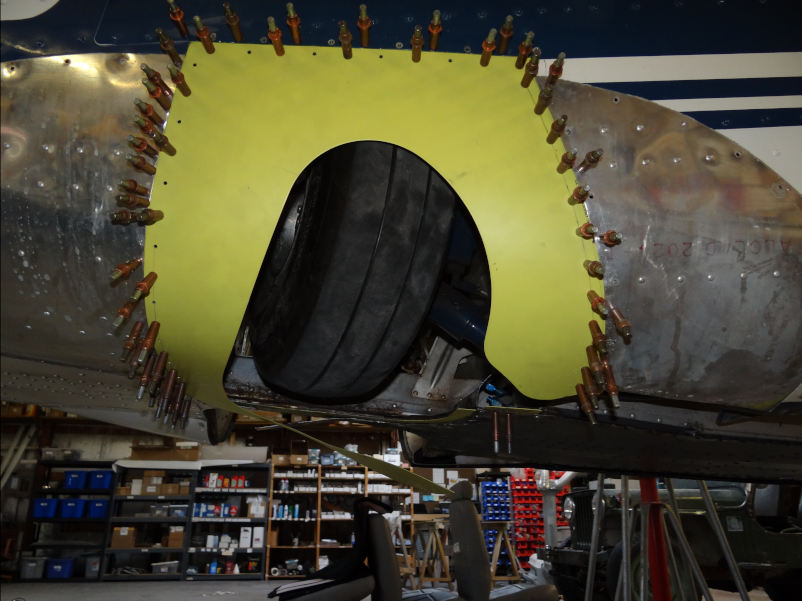
Aircraft mechanic gaining OJT experience on general aviation aircraft
Get your A&P license through OJT on general aviation aircraft.

A&P Mechanic ROI Comparison

3-Year Financial Breakdown: Aviation School vs On-the-Job Training

Aviation School
18 months training + 18 months working
Year 1 (Months 0-12)
Tuition & Fees -$35,000
Lost Wages (12 mo) -$41,000
Year 1 Net -$76,000
Year 2 (Months 13-24)
Still In School — No Job (6 mo) -$20,500
Entry A&P Salary (6 mo) +$33,500
Year 2 Net +$13,000
Year 3 (Months 25-36)
Entry Level Certified A&P Salary +$67,000
Year 3 Net +$67,000
On-the-Job Training
30 months training + 6 months certified
Year 1 (Months 0-12)
Grease Pilot OJT Subscription ($29.95/mo) -$359
Year 1 Apprentice Mechanic Salary ($20/hr) +$41,600
Year 1 Net +$41,241
Year 2 (Months 13-24)
Grease Pilot OJT Subscription ($29.95/mo) -$359
Year 2 Apprentice Mechanic Salary ($21/hr) +$43,680
Study Materials -$800
Year 2 Net +$42,521
Year 3 (Months 25-36)
Grease Pilot OJT Subscription ($29.95/mo) -$359
Year 3 Apprentice Mechanic Salary ($22/hr, 6 mo) +$22,880
Entry Level Certified A&P Salary (6 mo) +$33,500
Year 3 Net +$56,021

3-Year Total Return on Investment

Aviation School Path
+$4,000
Just breaking even after 3 years
OJT Path
+$139,783
Positive cash flow from day one
OJT Path Advantage: $135,783 over 3 years

Data Sources & References

U.S. Bureau of Labor Statistics (May 2024) | ZipRecruiter (2024-2025) | Epic Flight Academy (2024-2025) | Aviation Institute of Maintenance (2022) | Minneapolis Community College (2025) | FAA.gov (14 CFR Part 65) | United Airlines Calibrate Program (2025) | Aviation Technician Education Council (ATEC) | Glassdoor & Indeed (2024-2025)

Note: Entry-level wage of $20/hour is conservative and based on 2024 data showing apprentice mechanics earning $19.61-$22/hour. With the current mechanic shortage, many facilities are offering $22-25/hour for entry positions. Your actual starting wage may be higher depending on location and facility.

* Estimates based on 2024-2025 industry data. Actual salaries vary by location, employer, and experience. School path assumes 18-month program at $35K average tuition. Grease Pilot OJT subscription is $29.95/month ($359/year) paid for all 3 years ($1,078 total). OJT hourly progression: Year 1 at $20/hr, Year 2 at $21/hr, Year 3 at $22/hr (6 months) then certified A&P (6 months). Both paths earn the same certified A&P salary once licensed. All calculations based on 2,080 annual hours (40 hrs/week × 52 weeks).

Two Pathways to Your A&P License: School and On-the-Job Training

Choosing the wrong path to your A&P license could cost you over $140,000 and years of lost income. Before you write a check to an aviation school or commit to a training program, you need to understand the two FAA-approved routes to certification—and why one path puts money in your pocket from day one while the other leaves you deep in debt.

The Federal Aviation Administration (FAA) offers two distinct routes to earn your Aircraft Maintenance Technician (AMT) certificate, commonly called an A&P license. Understanding both paths helps you choose the option that best fits your financial situation, timeline, and learning style.

Path 1: FAA-Approved Part 147 Aviation Maintenance Technician School
Part 147 schools provide structured classroom and hands-on training in FAA-approved facilities. These programs typically last 18-24 months and cover all requirements for both Airframe and Powerplant ratings. Graduates receive an endorsement to take the FAA written, oral, and practical exams.

Path 2: On-the-Job Training (OJT) Experience
The OJT route allows you to gain practical experience working under the supervision of a certified A&P mechanic at an FAA-approved repair station or air carrier. You'll document your work using FAA Form 8610-2 and must complete either 18 months of combined airframe and powerplant experience or 30 months of experience in just one rating.

Both paths result in the same FAA A&P certification. The key differences lie in cost, timeline, earning potential during training, and learning environment. Let's explore what it takes to succeed in each pathway.

Pro Tip: Always document your OJT hours immediately after completing them. This prevents missing entries and ensures accuracy when submitting your 8610-2 form to the FAA.
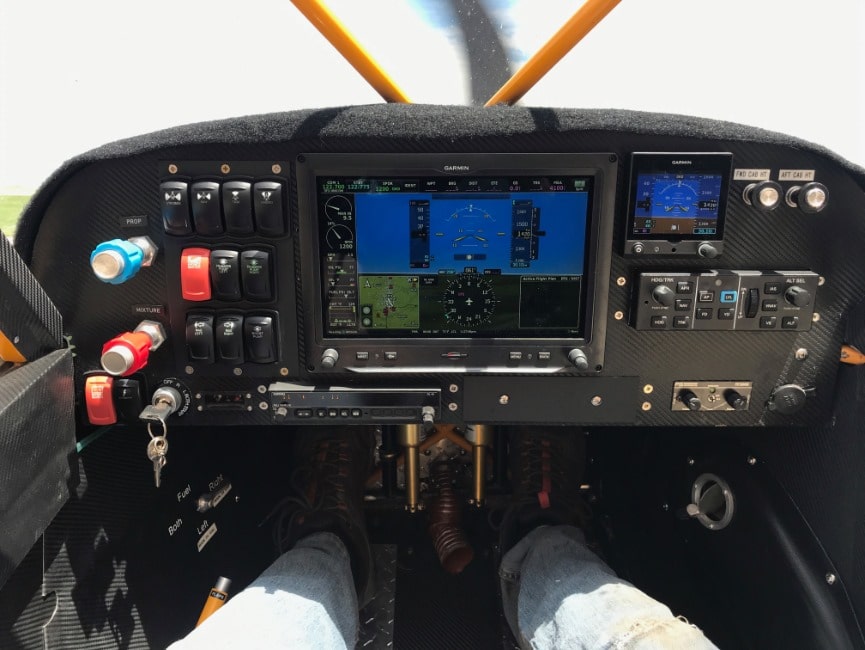
Aircraft mechanic gaining hands-on OJT experience
Aircraft avionics training can be obtained through OJT or part 147 schooling
Aircraft sheet metal technician training
Most aircraft are made of aluminum. Gaining experience in this area has many opportunities.
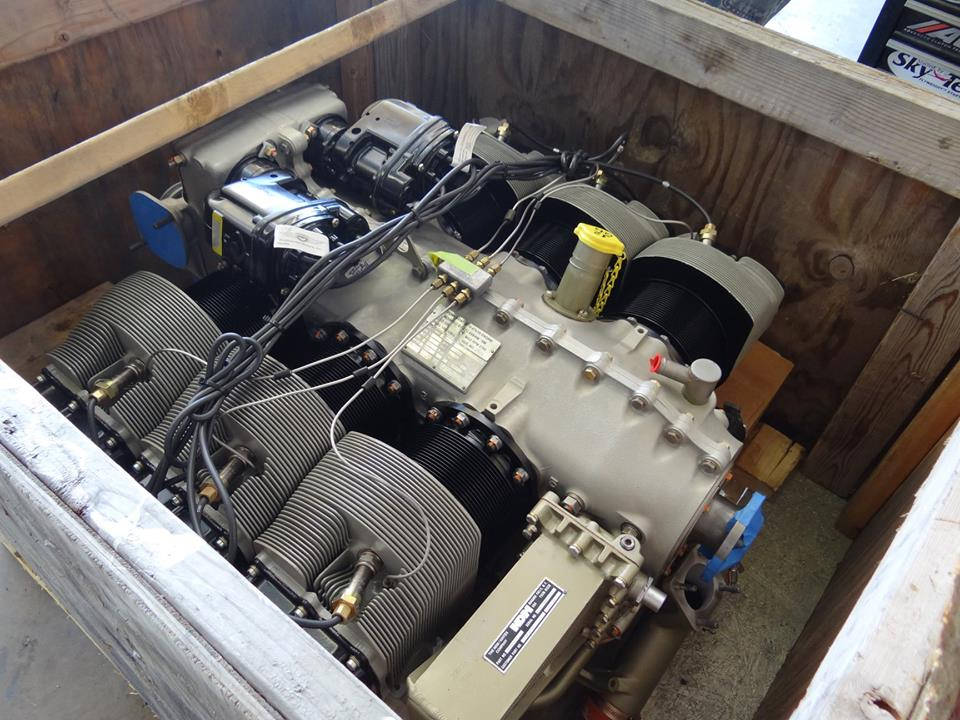
Aircraft mechanic working on aircraft systems
Aircraft powerplant experience can also be obtained through OJT or part 147 schooling

FAA Requirements to Become an Aircraft Mechanic

Before pursuing either training path, you must meet the FAA's basic eligibility requirements outlined in 14 CFR Part 65. These requirements ensure that all A&P mechanics possess the foundational skills and English proficiency necessary to work safely on aircraft.

Basic FAA Eligibility Requirements:

  • Age: At least 18 years old
  • Language: Able to read, write, speak, and understand English
  • Experience or Education: Must have either completed an FAA-approved Part 147 school OR documented practical experience (18-30 months depending on ratings)
  • Knowledge and Practical Tests: Pass FAA written, oral, and practical exams for each rating (Airframe and/or Powerplant)

Understanding Airframe vs Powerplant Ratings

The A&P certificate consists of two separate ratings that can be earned individually or together:
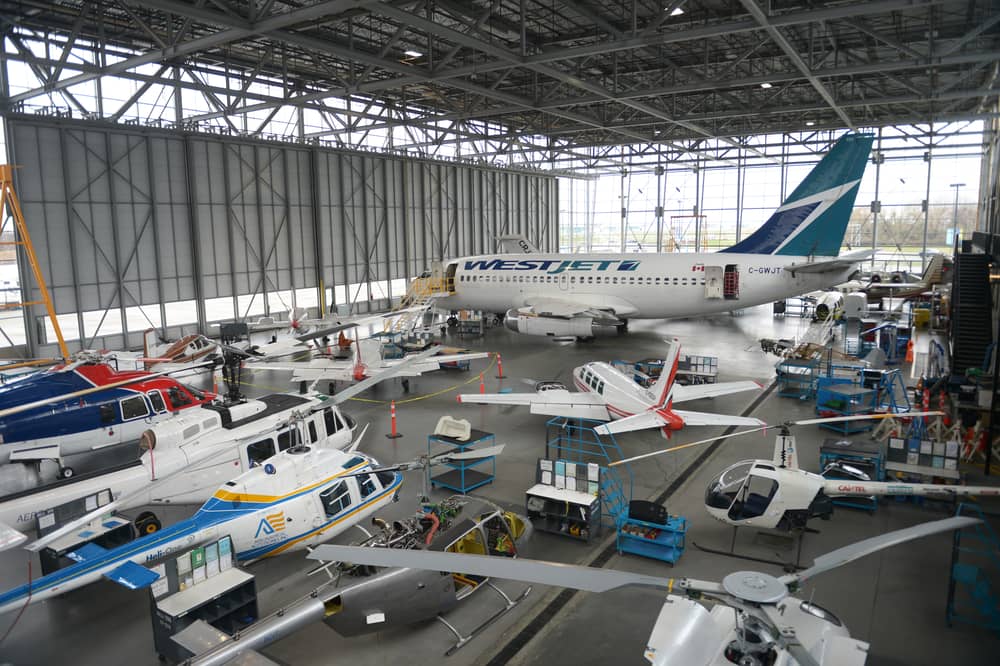
Airframe (A) Rating

Covers aircraft structures, systems, and components excluding the engines. This includes fuselage, wings, landing gear, flight controls, hydraulic systems, electrical systems, and avionics installations. Airframe mechanics inspect, repair, and maintain everything that makes the aircraft structurally sound and operational.

Powerplant (P) Rating

Focuses exclusively on aircraft engines (both piston and turbine), propellers, and engine-related systems such as fuel, ignition, and exhaust. Powerplant mechanics specialize in engine maintenance, troubleshooting, overhaul, and performance testing.

Most mechanics pursue both ratings simultaneously to maximize career opportunities and earning potential. Holding both A&P ratings qualifies you to perform maintenance, preventive maintenance, and alterations on any general aviation or commercial aircraft.

Important: The FAA requires all OJT documentation to be signed within 30 days of the work being performed. Late signatures may not be accepted when you apply for your certificate.

Aviation Maintenance Technician School (Part 147)

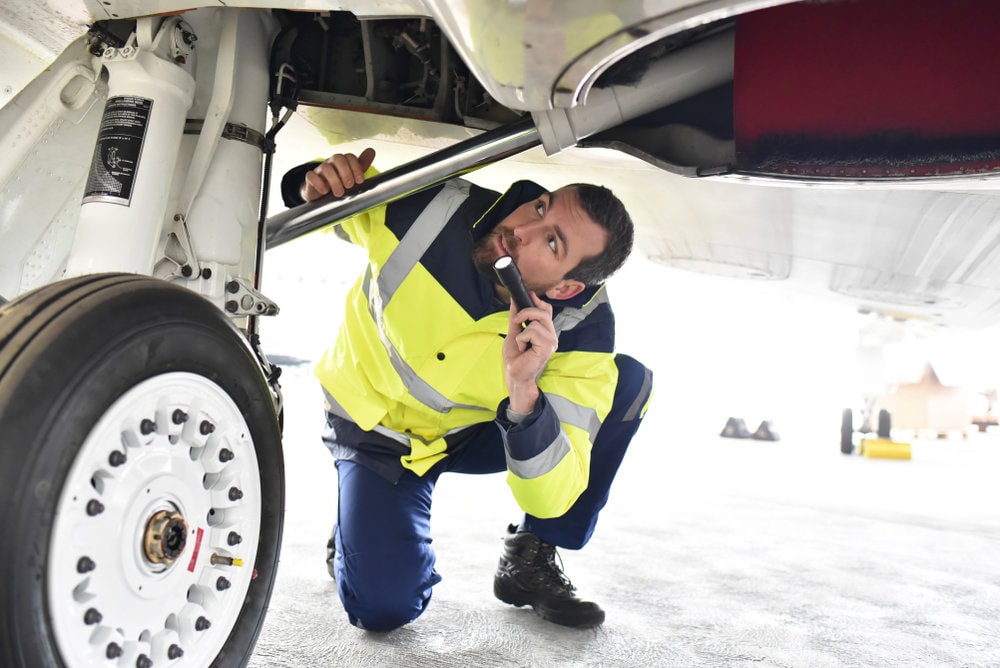
Aircraft mechanic student inspecting landing gear
Part 147 aviation school students gain hands-on experience in dedicated training facilities with various aircraft types

Part 147 schools offer a structured, accelerated path to A&P certification. These FAA-approved institutions provide comprehensive curriculum covering both airframe and powerplant systems in classroom lectures, hands-on labs, and practical training environments.

Program Duration: Most Part 147 programs require 18-24 months of full-time attendance (typically 8-10 hours per day, 5 days per week). Some schools offer accelerated 18-month programs, while others follow a more traditional 24-month schedule that aligns with academic semesters.

Total Cost: Tuition ranges from $15,000 to $40,000 depending on the school's location, facilities, and whether it's a community college or private institution. This cost typically includes instruction, textbooks, some tools, and access to training aircraft. However, additional expenses such as housing, transportation, tool purchases, and FAA exam fees can add $5,000-$10,000 to your total investment.

Curriculum Structure: Part 147 schools follow FAA-mandated curriculum standards covering subjects like aircraft systems, powerplant theory, regulations, inspection procedures, sheet metal repair, welding, composite repair, avionics, and turbine engines. Students alternate between classroom instruction and hands-on lab work using actual aircraft and engines.

Advantages of Aviation School

  • Faster completion (18 months vs 30 months for OJT)
  • Structured learning environment with dedicated instructors
  • Automatic eligibility to take FAA exams upon graduation
  • Exposure to a wide variety of aircraft and systems
  • Networking opportunities with classmates and industry recruiters

Disadvantages of Aviation School

  • Significant upfront tuition cost ($15,000-$40,000)
  • No income during 18-24 months of full-time training
  • Potential student loan debt impacting future finances
  • Less real-world maintenance experience compared to OJT

On-the-Job Training (OJT) Path

The OJT route offers a cost-effective, earn-while-you-learn alternative to aviation school. By working under the supervision of certified A&P mechanics, you gain practical experience while documenting your hours on FAA Form 8610-2. This pathway is ideal for those who want to avoid student debt while building real-world skills.
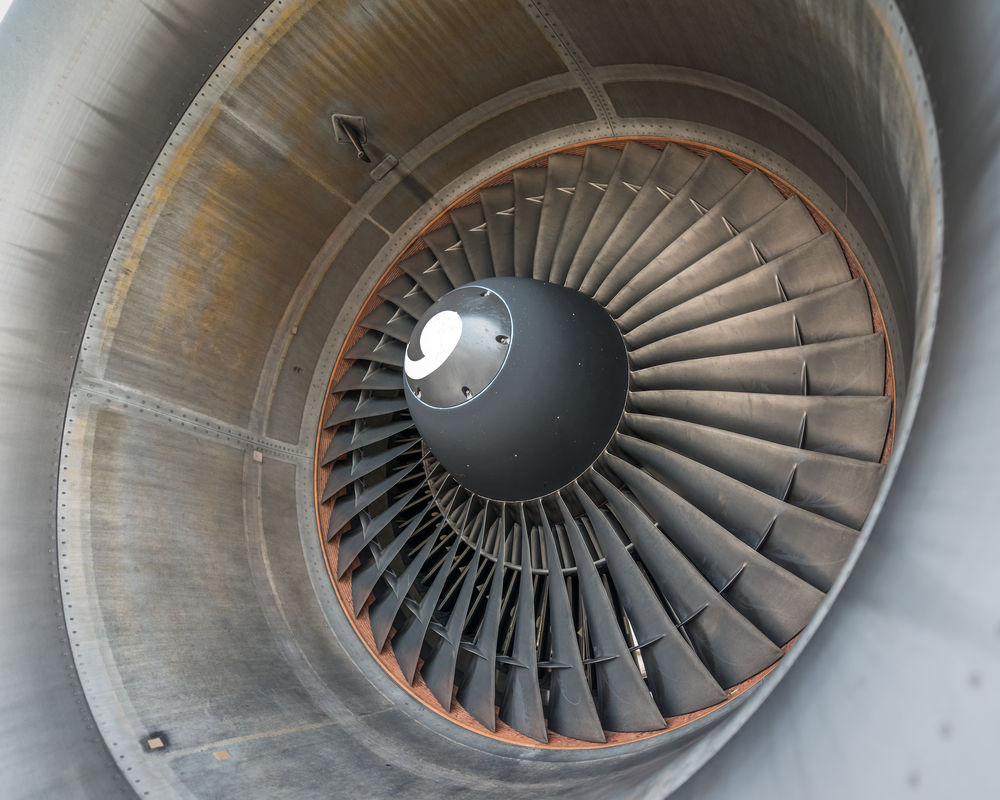
OJT Time Requirements (14 CFR §65.77):

  • 30 Months: Required if you're pursuing only an Airframe OR only a Powerplant rating
  • 18 Months: Required if you're pursuing both Airframe AND Powerplant ratings simultaneously (must document experience in both areas concurrently)

Where to Complete OJT:
You must work at an FAA-approved location such as a certificated repair station (CRS), air carrier maintenance facility, or military aviation unit. Your supervisor must be a certificated A&P mechanic who observes your work and signs off on your documented tasks.

Documenting Your Experience:
The most critical aspect of OJT is meticulous documentation. You'll use FAA Form 8610-2 to record every task you perform, including the date, description of work, aircraft type, and supervisor's signature. The FAA scrutinizes these forms carefully, so accuracy and completeness are essential.

Total Cost: OJT is remarkably affordable compared to aviation school. Your primary expenses include:

  • Grease Pilot OJT tracking subscription: $29.95/month × 30 months = $899
  • Study materials and exam prep courses: $500-$1,000
  • FAA written exam fees (3 tests × $175): $525
  • FAA oral and practical exam fees: $500-$1,000
  • Total estimated cost: $2,500-$3,500

Advantages of OJT

  • Minimal cost (often under $3,000 total)
  • Earn a salary throughout your training ($20-$24/hour typical)
  • Real-world experience in actual maintenance operations
  • No student loan debt
  • Flexible training schedule around your work shifts
  • Direct networking within the industry

Challenges of OJT

  • Longer time to completion (30 months vs 18 months for school)
  • Requires finding an employer willing to hire and supervise you
  • Self-directed study required for FAA written exams
  • Documentation responsibility falls entirely on you
  • May have limited exposure to diverse aircraft types
"The OJT path is one of the most rewarding ways to earn your A&P license. You're learning from real-world experience while getting paid, and you graduate debt-free with practical skills employers immediately recognize."

Comparing Your Options: School vs OJT

Choosing between aviation school and on-the-job training depends on your financial situation, timeline, learning style, and career goals. Here's a comprehensive side-by-side comparison to help you decide which path aligns best with your needs.

Factor Aviation School (Part 147) On-the-Job Training (OJT)
Duration 18-24 months 18-30 months (depending on ratings)
Total Cost $15,000-$40,000+ $2,000-$3,000
Income During Training $0 (no income, full-time school) $40,000-$50,000/year salary
Hands-On Experience Excellent (lab environment) Excellent (real-world operations)
Job Placement School may assist with placement Already employed during training
Flexibility Fixed schedule (full-time attendance) Flexible (work while training)
FAA Test Eligibility Automatic upon graduation After documenting required hours
Student Debt Likely (if financed) None
Best For Fast track, structured learning, access to loans/GI Bill Cost-conscious, earn while learning, avoid debt

Aviation School

Fast-Track Structured Learning

  • You have access to financial aid, GI Bill benefits, or personal savings
  • You prefer structured classroom learning and scheduled instruction
  • You want to complete your training as quickly as possible
  • You're not currently employed in aviation and want a fresh start

On-the-Job Training

Earn While You Learn

  • You want to avoid student loan debt
  • You need to earn income during your training period
  • You prefer hands-on, real-world learning environments
  • You're already working in aviation or can secure an entry-level position
  • You're comfortable with self-directed study for FAA written exams

Frequently Asked Questions

Timeline varies by path:

Aviation School Route: 18-24 months

  • Traditional programs: 18-24 months
  • Accelerated programs: 12 months (some schools)
  • Fastest programs: 8 months (rare, intensive)
  • Plus: 2-4 weeks to complete FAA exams after graduation

On-the-Job Training Route: 30+ months

  • 30 months documented hands-on experience
  • Or 18 months each for A or P separately
  • Plus: Time to study and pass FAA exams (add 2-6 months)
  • Total: Approximately 2.5-3 years start to finish

With Associate's Degree: 2-4 years

  • Combines A&P certification with college degree
  • Gives competitive advantage in job market
  • Some programs offer degree in as little as 21 months

Military Route: Varies

  • Experience gained during service may qualify
  • Must still meet FAA requirements and pass exams
  • Can shorten civilian training time significantly

On-the-job training (OJT) is the cheapest path to become an aircraft mechanic, costing around $2,000-$3,000 total over 30 months (primarily for test fees and materials). In contrast, aviation school costs $15,000-$40,000. With OJT, you earn a salary while training, typically starting at $20-24/hour.

No, you do not need a college degree to become an aircraft mechanic. The FAA requires either completion of an FAA-approved Part 147 aviation maintenance technician school or documented on-the-job training experience (18-30 months). A high school diploma or GED is typically required by employers, but not by the FAA.

To become an FAA-certified aircraft mechanic, you must meet these basic requirements:

  • Age: Be at least 18 years old
  • Language: Be able to read, write, speak, and understand English
  • Education: No college degree required (high school diploma or GED is typically required by schools)
  • Experience/Training: Complete either:
    • 18-24 months at an FAA-approved Aviation Maintenance Technician School (AMTS), OR
    • 30 months of documented on-the-job training (18 months each for Airframe OR Powerplant separately)
  • Testing: Pass FAA written, oral, and practical exams within a 24-month period

The FAA does not require any specific general education beyond English proficiency. However, having strong skills in math, physics, and mechanical systems is extremely beneficial.

You have TWO paths to FAA certification:

PATH 1: Aviation School (AMTS)

  • Duration: 18-24 months typically
  • Cost: $15,000-$45,000
  • Pros: Structured learning, faster completion, immediate eligibility for FAA exams
  • Cons: Tuition costs, no income during training, less real-world experience

PATH 2: On-the-Job Training (OJT)

  • Duration: 30 months documented experience (or 18 months for single rating)
  • Cost: Minimal (mainly study materials and test fees)
  • Pros: Earn $40,000-$60,000+ while learning, real hands-on experience, zero debt
  • Cons: Takes longer, requires finding supervised position, must self-study for written exams

Both paths lead to the exact same FAA A&P certificate and same career opportunities. The OJT path is less common but is gaining popularity as people realize they can earn while they learn instead of paying tuition.

The FAA offers three types of mechanic certifications:

Airframe (A) Rating

  • Covers: Aircraft body, wings, landing gear, brakes, air conditioning, hydraulics, structures
  • Time Required: 18 months experience or school training

Powerplant (P) Rating

  • Covers: Engines, propellers, engine systems, fuel systems, exhaust
  • Time Required: 18 months experience or school training

Airframe & Powerplant (A&P)

  • Covers: Both systems combined - full aircraft maintenance
  • Time Required: 30 months combined experience or 18-24 months school
  • Most employers prefer or require A&P certification as it allows you to work on complete aircraft

You're not required to get both ratings, but having both (A&P) significantly improves job prospects and earning potential. Most professionals pursue the combined A&P certification.

Honest assessment: It's challenging but very achievable if you're motivated.

What makes it challenging:

  • Technical complexity: Aircraft systems are sophisticated (electrical, hydraulic, mechanical, avionics)
  • Volume of information: You'll learn about engines, structures, regulations, materials science, aerodynamics
  • Hands-on skills: Requires manual dexterity and mechanical aptitude
  • Attention to detail: Safety-critical work requires precision
  • FAA regulations: Must memorize procedures and comply with strict standards

What makes it manageable:

  • Hands-on learning (not just theory)
  • Clear structure and objectives
  • Instructors who are experienced mechanics
  • Practical application of concepts
  • Study resources and test prep materials

Skills that help:

  • Mechanical aptitude or interest in how things work
  • Problem-solving abilities
  • Good with math and measurements
  • Patience and attention to detail
  • Ability to follow complex instructions

Bottom line: If you enjoy working with machines and are willing to study, most people can successfully complete the training. The pass rate for FAA exams is decent for graduates of good programs.

Current salary data (2024-2025):

Median Annual Salary: $78,680 (BLS May 2024 data)

This equals approximately $37.84/hour

Salary Range:

  • Entry-level: $40,000-$50,000/year ($25-$35/hour)
  • Mid-career: $60,000-$80,000/year
  • Experienced: $80,000-$100,000/year
  • Top 10%: Over $120,000/year
  • Major airlines with seniority: $100,000-$150,000+/year

Factors affecting pay:

  • Employer type: Major airlines pay most (often $100K+ with experience), followed by cargo operations (FedEx, UPS), then smaller operators
  • Location: Urban aviation hubs (Los Angeles, New York, Chicago, Dallas, Seattle) pay 15-30% more
  • Certifications: A&P vs single rating; Inspection Authorization (IA) adds 10-20%
  • Overtime: Many positions offer substantial overtime opportunities
  • Union contracts: Unionized positions at major airlines often have better pay scales

Notable recent increases: Boeing machinists secured 38% pay increases over 4 years in 2024, signaling industry-wide wage growth.

Comparison: Aircraft mechanics earn approximately 65% more than automotive mechanics (median $46,880).

Strong YES for most people - Here's why:

PROS:

High Demand & Job Security

  • 5% projected job growth 2023-2033 (BLS)
  • 13,400+ job openings annually
  • Critical shortage of mechanics globally (Boeing estimates 610,000 needed worldwide by 2041)
  • Air travel is essential and growing

Good Pay & Benefits

  • Median $78,680/year with potential for six figures
  • Comprehensive benefits (health, retirement, travel perks)
  • Overtime opportunities
  • Better pay than many trades

No College Degree Required

  • Save $50,000-$150,000 in college costs
  • Start earning sooner
  • Career advancement available without bachelor's degree

Hands-On, Meaningful Work

  • Work with fascinating machines
  • Direct impact on safety
  • Problem-solving daily
  • Variety in tasks
  • Pride in craftsmanship

Career Flexibility

  • Work anywhere (airlines, private aviation, military contractors, manufacturers)
  • Specialization options (avionics, engines, structures)
  • Advancement to supervisor, inspector, management
  • International opportunities

CONS:

Irregular Hours

  • Shift work (nights, weekends, holidays)
  • Aviation operates 24/7

Physical Demands

  • Work in tight spaces
  • Lifting heavy parts
  • Standing for long periods
  • Exposure to weather (line maintenance)

High Responsibility & Pressure

  • Safety-critical work
  • Strict deadlines
  • Must be precise

Training Investment

  • 18-30+ months to get certified
  • If attending school: $15K-$45K tuition
  • Apprenticeship pays less initially

Industry Cycles

  • Can face layoffs during downturns (like COVID)
  • May need to relocate for opportunities

Overall verdict: If you enjoy hands-on work, problem-solving, and aviation, this is an excellent career with strong job security, good pay, and meaningful work. The pros heavily outweigh the cons for most people in this field.

Excellent outlook with strong long-term prospects:

Growth Projections:

  • BLS: 5% growth 2023-2033 (as fast as average for all occupations)
  • 13,400 job openings per year on average
  • Total employment: Expected to exceed 148,000 by 2033

Why demand is strong:

  • Aging Workforce: Many experienced mechanics retiring
  • Fleet Expansion: Airlines adding aircraft globally
  • Aging Aircraft: Older planes require more maintenance
  • Increasing Complexity: Modern aircraft need specialized skills
  • Air Travel Growth: Passenger and cargo traffic increasing worldwide
  • Critical Shortage: Not enough new mechanics entering field

Boeing's Global Forecast:

  • 610,000 new maintenance technicians needed worldwide by 2041
  • This creates tremendous opportunity for certified mechanics

Best opportunities for:

  • Mechanics with A&P certification (both ratings)
  • Those willing to work for major airlines or cargo operators
  • Specialists in avionics or advanced systems
  • Those with Inspection Authorization (IA)
  • Mechanics willing to relocate to aviation hubs

Regional demand: Highest in states with major aviation operations (California, Texas, Florida, Washington, New York, Georgia)

Daily responsibilities include:

Morning:

  • Attend shift briefing with team
  • Review maintenance logs and work orders
  • Get assigned to specific aircraft
  • Gather tools and parts needed

Routine Tasks:

  • Inspections: Pre-flight, post-flight, and scheduled checks (daily, weekly, 100-hour, annual)
  • Diagnostics: Read pilot reports, troubleshoot issues, test systems
  • Repairs: Replace defective parts, fix mechanical/electrical problems
  • Scheduled Maintenance: Service according to manufacturer specifications and FAA regulations
  • System Tests: Check engines, hydraulics, avionics, electrical systems using specialized equipment
  • Documentation: Maintain detailed logs of all work performed (critical for FAA compliance)

Specific Examples:

  • Check fluid levels (oil, hydraulic)
  • Inspect landing gear, brakes, tires
  • Test electrical systems and avionics
  • Examine engines and turbine blades for wear
  • Replace worn parts (cables, hoses, seals)
  • Lubricate moving components
  • Review and clear maintenance deferrals
  • Sign off on completed work

End of Day:

  • Complete all documentation
  • Tool inventory and organization
  • Debrief with next shift
  • Update maintenance logs

Monthly/Periodic:

  • More extensive inspections (disassemble engines, x-ray checks, detailed component examination)
  • Heavy maintenance (C-checks, D-checks) requiring days to weeks

Work Environment:

  • Hangars, repair stations, or outdoors on flight line
  • Can involve tight spaces, awkward positions
  • Use of hand tools, power tools, and diagnostic equipment
  • Must follow strict safety protocols

Key characteristic: No two days are exactly alike - variety of aircraft, different issues, changing priorities.

They're the same thing. These terms are used interchangeably:

  • Aircraft Mechanic
  • Aviation Maintenance Technician (AMT)
  • Airframe & Powerplant (A&P) Mechanic
  • Aircraft Maintenance Engineer (more common internationally)

All refer to FAA-certified professionals who maintain and repair aircraft. The FAA officially uses "Aviation Mechanic" but the industry commonly uses "AMT" or "A&P mechanic."

Related but different roles:

  • Avionics Technician: Specializes in electronic/electrical systems only
  • Inspection Authorized (IA) Mechanic: A&P with additional certification to perform annual inspections
  • Aircraft Inspector: Examines and approves major repairs
  • Repairman: Limited certificate for specific tasks

Yes, BUT with major limitations:

You CAN work on aircraft IF:

  • Working under direct supervision of a certificated A&P mechanic
  • Working under a certificated repairman
  • Working at a certified repair station

What you CANNOT do without certification:

  • Approve aircraft for return to service (sign off work)
  • Work independently on any aircraft systems
  • Perform annual inspections
  • Make major repairs or alterations without supervision

Practical reality:

  • Most employers want certified mechanics
  • Uncertified work typically pays much less
  • Career advancement is severely limited
  • This is how apprenticeships/OJT training works

Bottom line: You can gain experience while working toward certification, but you need the A&P certificate to have a real career in aircraft maintenance.

Essential first: Airframe & Powerplant (A&P) certification

Valuable additional certifications:

1. Inspection Authorization (IA)

  • Requires: 3+ years as A&P, good standing, pass exam
  • Allows: Perform annual inspections, approve major repairs
  • Benefit: Higher pay, more responsibility, job opportunities

2. FCC License (for avionics work)

  • Required for some communication equipment repairs
  • General Radiotelephone Operator License most common

3. Manufacturer-Specific Training

  • Boeing, Airbus, Gulfstream, etc. certifications
  • Specialize in specific aircraft types
  • Often provided by employers

4. Specialized System Certifications

  • Turbine engines
  • Avionics/electronics
  • Composite materials
  • Non-destructive testing (NDT)

5. Management/Safety Certifications

  • Safety Management Systems (SMS)
  • Quality control certifications
  • Supervisory training

Career strategy: Get A&P first, then add specializations based on your interests and employer needs.

Employment sectors:

1. Commercial Airlines (highest pay, best benefits)

  • Major carriers: United, Delta, American, Southwest
  • Regional airlines
  • Cargo: FedEx, UPS, DHL

2. General Aviation

  • Small airports and FBOs (Fixed Base Operators)
  • Corporate/business aviation
  • Private aircraft owners

3. Military & Government

  • Department of Defense contractors
  • Military bases
  • NASA, government agencies

4. Manufacturing

  • Boeing, Airbus, Lockheed Martin
  • Aircraft component manufacturers
  • New aircraft assembly

5. MRO Facilities (Maintenance, Repair, Overhaul)

  • Independent repair stations
  • Specialized maintenance centers

6. Other

  • Aviation schools (as instructors)
  • Aerospace engineering support
  • Aircraft modification shops
  • Emergency medical services (EMS/air ambulance)

Work locations:

  • Hangars, repair shops, flight lines
  • Indoors and outdoors
  • Can be anywhere with airports (urban to remote)

Moderately to highly demanding - requires good physical condition:

Physical requirements:

Strength & Endurance:

  • Lift and carry parts (25-50+ lbs regularly)
  • Work standing for 8-10 hour shifts
  • Climb ladders and work platforms
  • Push/pull heavy components

Dexterity & Mobility:

  • Work in confined spaces (wing boxes, engine compartments)
  • Awkward positions for extended periods
  • Reach, bend, kneel, crouch frequently
  • Fine motor skills for precision work

Sensory:

  • Good vision (including color perception for wiring)
  • Hearing to detect unusual sounds
  • Manual dexterity for tools and fasteners

Environmental exposure:

  • Hot/cold weather (outdoor line maintenance)
  • Noise from engines and tools
  • Chemical exposure (fuels, solvents, lubricants)
  • Occasional vibration from power tools

Safety considerations:

  • Proper lifting techniques essential
  • PPE required (safety glasses, hearing protection, gloves)
  • Repetitive motion injuries possible
  • Back/joint stress common

Age/fitness: Many mechanics work into their 60s, but good physical condition helps. Office roles (inspector, supervisor, planner) become available with experience if physical work becomes difficult.

Absolutely YES - most mechanics start with zero experience:

Starting points:

1. Aviation Maintenance School

  • No prior experience required
  • Schools teach from ground up
  • Hands-on training included
  • Graduate ready for entry-level positions

2. On-the-Job Training/Apprenticeship

  • Start as helper/apprentice
  • Learn while earning (though at lower pay initially)
  • Work under certified mechanic supervision
  • Build toward certification hours

3. Military Service

  • Enlist in Air Force, Navy, Army, Marines
  • Get trained in aircraft maintenance
  • Experience counts toward FAA certification
  • Transition to civilian career after service

What helps (but not required):

  • Mechanical aptitude or interest
  • Experience with cars, motorcycles, or machinery
  • Basic math and reading comprehension
  • Problem-solving skills

Entry path:

  • Research schools or apprenticeship opportunities
  • Meet basic requirements (age 18, English proficiency)
  • Enroll in training or find supervised position
  • Complete required training/experience
  • Pass FAA exams
  • Start career as certified A&P

Reality check: Everyone starts somewhere. Passion for aviation and willingness to learn matter more than prior experience.

Conclusion

Becoming an aircraft mechanic is an achievable goal that leads to a stable, well-paying career in the aviation industry. Whether you choose the structured environment of aviation school or the cost-effective, earn-while-you-learn approach of on-the-job training, both paths result in the same FAA A&P certification.
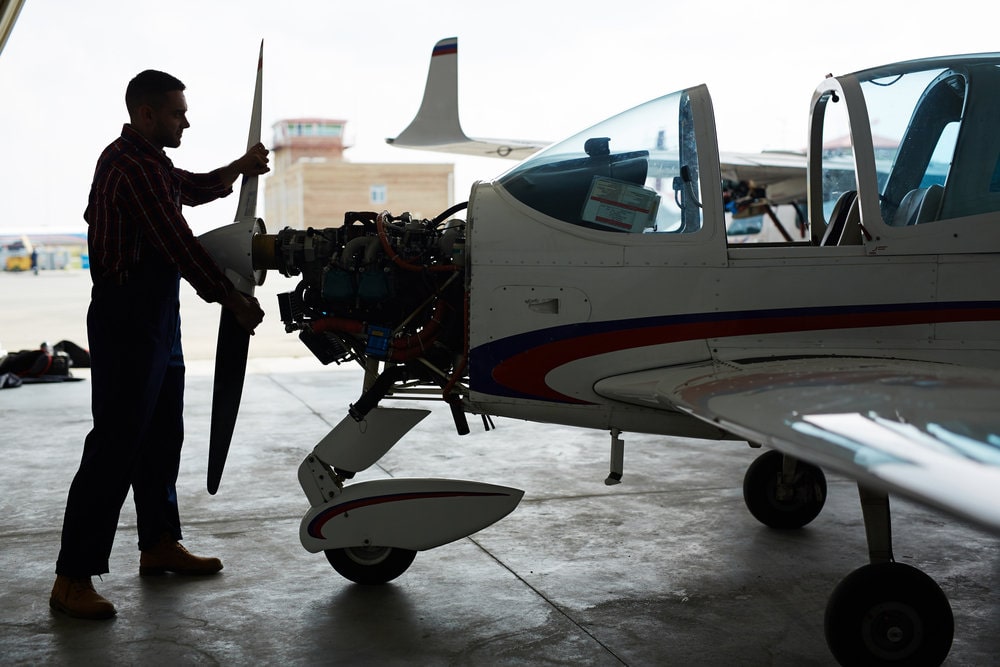
The decision ultimately comes down to your financial situation, timeline, and learning preferences. If minimizing cost and avoiding student debt are top priorities, OJT offers an unbeatable value proposition—saving you over $140,000 compared to aviation school while providing real-world experience. If you have access to financial aid or prefer accelerated, structured training, aviation school delivers comprehensive instruction in a shorter timeframe.

No matter which path you choose, success requires dedication, attention to detail, and a genuine passion for aviation. The A&P certificate you earn opens doors to careers with airlines, repair stations, corporate aviation, government agencies, and even opportunities to start your own maintenance business.

Ready to begin your journey? Start by researching Part 147 schools in your area or exploring entry-level positions at local airports and repair stations. Document your progress meticulously, study consistently, and never stop learning. Your future as a certified aircraft mechanic starts today.

Michael Sawyer - FAA Certified A&P Mechanic

Michael Sawyer

A&P/IA

Michael Sawyer, A&P/IA, has spent 15+ years in aviation maintenance across general aviation, corporate operations, and FBO services. As an aviation business owner and mentor, he combines technical expertise with entrepreneurial experience to guide aspiring mechanics through their certification journey and into successful careers.

SEO Checklist

✓ SEO Optimized

Basic SEO

Page Title
How To Become An Aircraft Mechanic | Grease Pilot School (58 characters)
Meta Description
Learn how to become an aircraft mechanic with our comprehensive guide... (147 characters)
Canonical URL
https://school.greasepilot.com/how-to-become-an-aircraft-mechanic
H1 Heading
How To Become An Aircraft Mechanic
URL Structure
Clean, descriptive URL with target keywords

Content Quality

Word Count
2,500+ words (comprehensive long-form content)
Keyword Usage
Primary keywords naturally integrated throughout content
Content Structure
Proper H2/H3 hierarchy with descriptive headings
Internal Links
Multiple relevant internal links to related content
Readability
Short paragraphs, bullet points, clear formatting

Technical SEO

Schema Markup
Article, Breadcrumb, FAQ, and ItemList schemas implemented
Open Graph Tags
Complete OG tags for social sharing
Twitter Cards
Twitter card meta tags configured
Mobile Responsive
Fully responsive design with mobile optimizations
Semantic HTML
Proper article, section, header tags

User Experience

Table of Contents
Interactive TOC for easy navigation
Reading Progress Bar
Visual progress indicator implemented
FAQ Section
Comprehensive FAQ with schema markup
Visual Content
ROI infographic, images, tables for engagement
Call-to-Actions
Strategic CTAs placed throughout content