Where can I find A&P apprentices to hire in Georgia?
Grease Pilot lists 1 aircraft mechanic apprentice profile in Georgia. This apprentice is actively seeking on-the-job training with an FAA-certificated mechanic or repair station — under 14 CFR 65.77, the supervised hours they log in your shop count toward their A&P certificate, so you can hire and train them without being a Part 147 school.
Updated September 4, 2026
A&P Apprentice Profiles in Georgia
Derrick
Austell, Georgia
- Goal: Airframe & Powerplant (A&P)
- Mech. Experience: 1–2 years
- Willing to relocate: Yes
- Skills: Welding (TIG/MIG), Sheet Metal / Riveting, Electrical / Wiring, Engine Overhaul / Rebuild, Composite / Fabric, Hydraulics / Pneumatics, Avionics / Instruments, Painting / Finishing, NDT / Inspection, Other Mechanical
Want to train one of these apprentices?
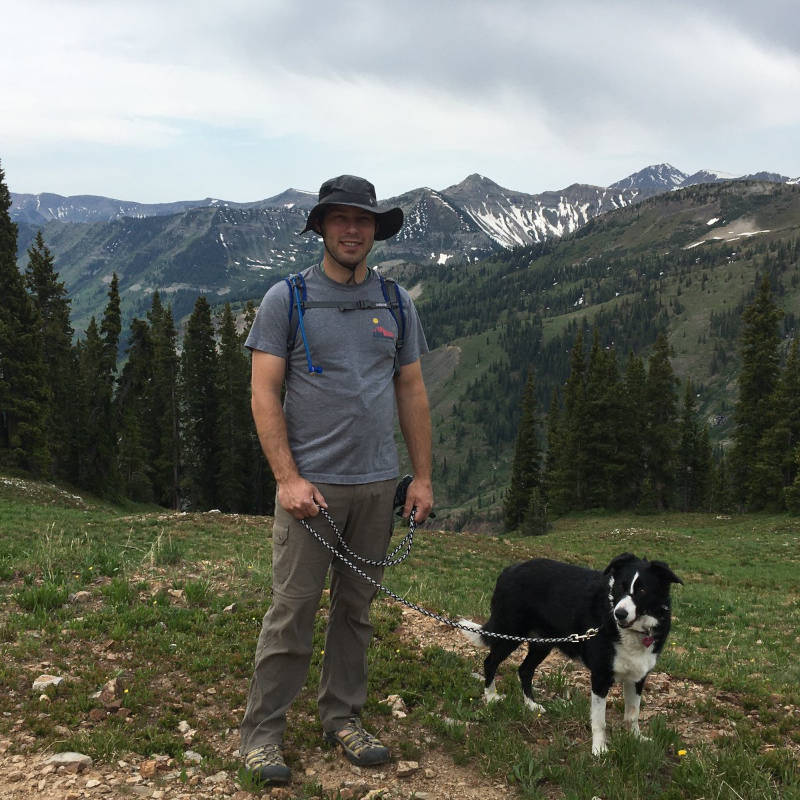
Supervising an A&P Apprentice in Georgia
Your shop can grow its own mechanics. Under 14 CFR 65.77, the supervised hours an apprentice logs under your certificated A&Ps count toward their mechanic certificate — no Part 147 school required. You document the training as it happens; when your apprentice is ready, FAA Form 8610-2 goes to the FSDO below — the local FAA office that verifies their supervised experience and authorizes them to take the mechanic tests.
Atlanta Flight Standards District Office
- FAA page: faa.gov FSDO page
- Address: 107 Charles W. Grant Parkway, Hapeville, GA 30354 (by appointment only)
- Phone: (404) 474-5100
Apprentice Pipeline: AMT Schools in Georgia
FAA Part 147 schools are one pipeline for apprentice candidates in Georgia — students and recent graduates often look for shops where they can keep logging experience. Some of the Part 147 aviation maintenance schools in Georgia include:
- Central Georgia Technical College (Macon)
- South Georgia Technical College (Americus)
- Georgia Northwestern Technical College (Rome)
- Middle Georgia State University (Eastman)
- Aviation Institute of Maintenance (Duluth)
- Savannah Technical College (Savannah)
- Augusta Technical College (Thomson)
- US Aviation Academy (Forest Park)
You don't have to wait on a school pipeline: every profile on this page is a candidate already seeking on-the-job training your certificated mechanics can supervise under 14 CFR 65.77.
Common Questions
Why hire an A&P apprentice in Georgia?
Savannah, Georgia, is the worldwide headquarters of Gulfstream Aerospace, a General Dynamics subsidiary that designs and manufactures business jets there. Demand for certificated mechanics is strong — training an apprentice under 14 CFR 65.77 lets your shop grow its own A&Ps instead of competing for them.
Are there Part 147 schools in Georgia to recruit from?
Yes — eight: Aviation Institute of Maintenance (Duluth), Middle Georgia State University (Eastman), Savannah Technical College, South Georgia Technical College (Americus), Central Georgia Technical College (Macon), Augusta Technical College (Thomson), Georgia Northwestern Technical College (Rome), and US Aviation Academy (Forest Park — opened 2024 near Delta TechOps). School students and graduates are one recruiting pipeline — but under 14 CFR 65.77 your hires don't need school at all; supervised experience in your shop alone qualifies them to test.
Does Georgia offer apprenticeship tax credits?
Not a tax credit from what we've researched — but Georgia pays employers cash: Apprentice Georgia awards $2,500 per apprentice up front and up to $10,000 per apprentice on completion, for up to five apprentices, and it requires a DOL-Registered Apprenticeship Program — informal 14 CFR 65.77 OJT doesn't qualify. Worth knowing too: aviation technology is a HOPE Career Grant field, so your apprentice can attend a Georgia Part 147 college essentially tuition-free. Confirm eligibility with Apprenticeship Georgia (TCSG).
How do I track and manage an A&P apprentice's hours for OJT?
Keep a dated, task-level log, signed as the work happens. The FAA's own guidance for the experience review lists an “AMT log signed by your supervising mechanic” and a statement from your employer among the documentary evidence an inspector accepts — and the more evidence, the better. Note that time spent in training doesn't count; practical experience means actually performing maintenance. Grease Pilot's OJT tracking does this for you: it logs each task by FAA ACS subject, captures your digital supervisor sign-offs, and exports an FAA-ready PDF package when your apprentice is ready to apply. Grease Pilot also generates signed employer verification letters — the employer statement the FAA lists as accepted evidence — to back up the log.
Cities in Georgia
A&P Apprentices in Nearby States
About hiring A&P apprentices
In Georgia, the state employs about 6,720 aircraft mechanics and service technicians, earning a median wage of about $75,640/year (BLS Occupational Employment & Wage Statistics, May 2025). Entry-level pay starts near $47,240/year and experienced mechanics earn up to about $133,250/year. A&P (Airframe & Powerplant) mechanics are certificated by the FAA under 14 CFR Part 65, and documented on-the-job experience under your certificated mechanics is a recognized route to certification eligibility — see the FAA experience requirements. Employers can also formalize training through the U.S. Department of Labor's Registered Apprenticeship program, and the BLS profile for Aircraft Mechanics (49-3011) covers the hiring market.
Forty-one percent of U.S. certificated mechanics are already over 60, and more than 45,000 will reach retirement age within the next ten years — the average FAA-certificated mechanic is 54, twelve years older than the average American worker (ATEC & Oliver Wyman, 2025 Pipeline Report, analysis of FAA airmen certification data). Training an apprentice is how a shop replaces that bench before it retires.
Job boards list openings for apprentices to apply to. This directory lists the apprentices themselves — the supply side of the same marketplace where shops nationwide post A&P apprenticeship opportunities.
Want local apprentices to find YOUR shop?